
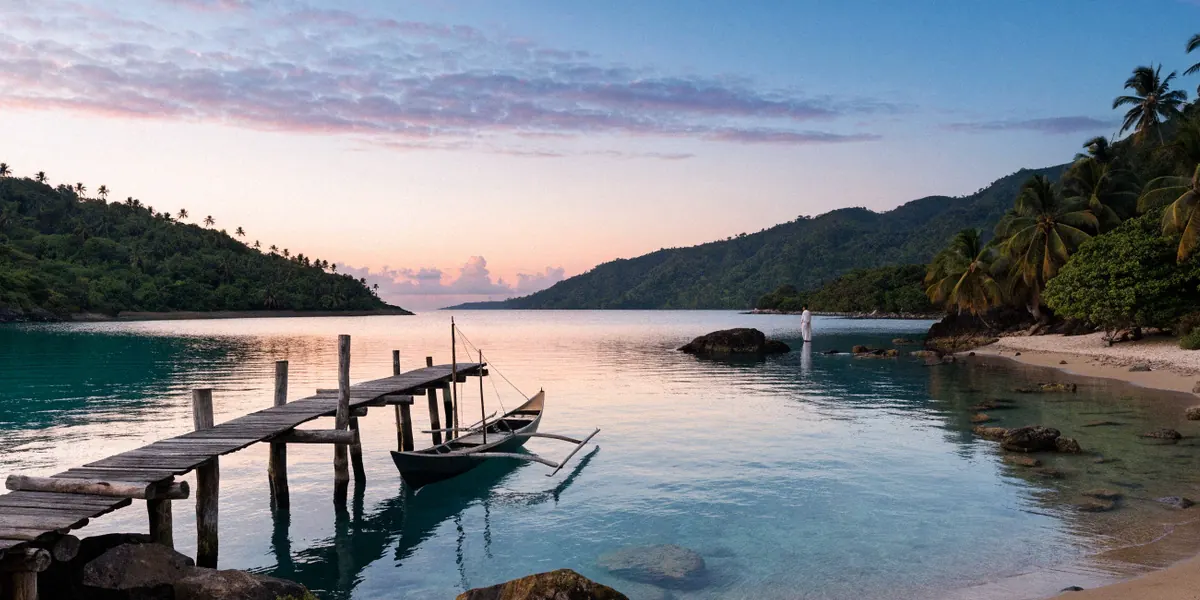
Tourism Manus: Your Travel Guide to Manus Island, Papua New Guinea
The twin-engine Dash 8 banks gently over the Bismarck Sea, and suddenly the whole cabin goes quiet. Below us, a turquoise lagoon is stitched together by reef passes and tiny palm-covered islands, so bright it almost looks artificial. A few minutes later, our wheels thump down on the runway at Momote Airport, and we step out into humid, flower-scented air while smiling locals wave from behind a low fence. That was our team’s first arrival on Manus Island, and it’s a moment we still talk about years later. So why do so few Australian travellers know this place exists? Most Aussies book Bali, Fiji or Vanuatu without a second thought, yet just a short hop north of the equator sits a province of Papua New Guinea that offers raw, uncrowded adventure, world-class diving and a genuine cultural welcome that resort islands simply can’t replicate. This guide is our attempt to change that.
Why Manus Island Should Be on Every Australian Traveller’s Radar
Manus Province is the smallest province in Papua New Guinea by land area, but it punches far above its weight for travellers chasing something real. It sits just two degrees south of the equator, roughly 800 kilometres north of the PNG mainland, scattered across more than 100 islands and atolls. For Australians, it’s closer than you’d think, and the cultural, historical and natural rewards are enormous. If you’ve been wondering whether Papua New Guinea travel is worth the effort, Manus is the answer we give every time.
What strikes us most is the absence of crowds. There are no mega-resorts, no rows of beach bars, no traffic jams of tour buses. Instead, you’ll find traditional thatched villages, dugout canoes gliding across glassy water, and reef systems that see more turtles than tourists. The annual Manus cultural show draws performers from across the province, and the reception you receive as an Australian visitor is genuinely warm, partly because of shared history and partly because Manusians are simply proud to show off their home.
Manus Island’s Location and Geography
Manus Island is the largest island in the Admiralty Islands group, sitting in the Bismarck Sea just south of the equator. The main island stretches roughly 100 kilometres from east to west, with a rugged volcanic interior covered in dense rainforest and a coastline fringed by coral reefs, mangroves and white-sand beaches. The provincial capital, Lorengau, sits on the north-east coast, while Momote Airport occupies Los Negros Island, connected to the main island by a causeway.
Beyond the main island, the province includes dozens of smaller islands and atolls, including Rambutyo, Tong, Baluan, Lou, and the remote Western Islands. Many of these are ringed by fringing reefs that drop away into deep water, which is exactly why the diving here is so extraordinary. The geography also means travel between islands is usually by boat, and conditions can change quickly, so flexibility is part of the experience.
Because Manus sits so close to the equator, temperatures hover between 25°C and 32°C year-round, with high humidity and regular tropical downpours. The wetter months tend to run from December to March, while the drier, calmer period from April to November is when most visitors plan their trips.
World War II History and Australian Connections
For Australian travellers, Manus carries a weight of history that few destinations can match. During World War II, the Admiralty Islands were occupied by Japanese forces, and in 1944 Allied troops, including a significant Australian contingent, retook the islands in a hard-fought campaign. Momote Airport was captured in a matter of days, and the area around Los Negros became a major Allied base.
After the war, Manus hosted a large Australian naval base at Seeadler Harbour, one of the finest natural harbours in the Pacific. Reminders of that era are everywhere if you know where to look: rusting landing craft in the shallows, coral-encrusted aircraft, gun emplacements swallowed by jungle, and the remains of jetties that once serviced thousands of troops. The Lorengau Museum displays WWII artefacts and photographs that bring this history to life.
For many Australians, walking these sites is a quietly moving experience. It’s a chance to connect with a chapter of our own military history in a place that most of us were never taught about at school. We always recommend setting aside at least half a day to explore the war relics around Momote and Los Negros with a local guide who can explain what happened and where.
Why Visit Now: Authentic Papua New Guinea Travel
Papua New Guinea travel has a reputation for being difficult, and honestly, it can be. Infrastructure is limited, flights get delayed, and things rarely run to a strict schedule. But that’s also precisely why Manus remains so untouched. There’s no queue for the best dive site, no booking war for the best table, and no pressure to do anything other than slow down and pay attention.
Visiting now means you’ll experience a province that is still genuinely itself. You’ll buy bananas and betel nut at a market where nobody is performing for tourists. You’ll be invited into villages where the primary school might have one laptop and the church choir sings like nothing you’ve heard. You’ll dive reefs that very few Australians have ever seen.
We also believe there’s a responsibility that comes with this kind of travel. Supporting local guesthouses, hiring local guides, buying local handicrafts and treating people with respect all matter enormously. Done right, tourism gives Manusian communities a reason to protect their reefs and their culture. That’s the kind of Papua New Guinea travel we want to encourage.
Getting to Manus Island from Australia: Flights, Visas, and Logistics
Getting to Manus takes a little planning, but it’s far more straightforward than most people assume. The standard route is a flight from Australia to Port Moresby, followed by a domestic connection to Momote Airport on Manus Island. Air Niugini and PNG Air operate flights from Brisbane and Cairns to Port Moresby, with connections to Momote Airport on Manus Island. From touchdown in Brisbane to touchdown on Manus, you’re typically looking at a full travel day, sometimes two if connections don’t line up.
Our advice is to build in a buffer night in Port Moresby on the way up and, if possible, on the way back. Domestic connections can be delayed, and missing a once-daily flight to Manus is a real risk if you’re cutting things fine.
Flight Routes from Brisbane, Cairns, and Sydney
Air Niugini and PNG Air operate flights from Brisbane and Cairns to Port Moresby, with connections to Momote Airport on Manus Island. Brisbane tends to have the most frequent services, while Cairns is the shortest hop and a popular choice for far north Queenslanders. Sydney travellers usually connect through Brisbane or Cairns first.
Once you’re in Port Moresby, domestic flights to Momote run most days but not always multiple times daily, so check schedules carefully when planning. The flight itself takes around 90 minutes and offers spectacular views of the Bismarck Sea and the Admiralty Islands as you descend.
- Brisbane to Port Moresby: Roughly 3 hours 30 minutes, with Air Niugini and PNG Air services.
- Cairns to Port Moresby: Around 2 hours, the shortest international leg from Australia.
- Sydney to Port Moresby: Usually via Brisbane or Cairns, total travel time 6 to 9 hours.
- Port Moresby to Momote (Manus): Approximately 90 minutes with Air Niugini or PNG Air.
Book domestic legs as early as possible, especially if you’re travelling around the annual cultural show or public holidays, when seats fill quickly.
Visa on Arrival for Australian Passport Holders
Here’s some good news: Australian passport holders can obtain a visa on arrival for Papua New Guinea for tourism purposes. You’ll need a passport valid for at least six months, proof of onward travel, and enough funds for your stay. The process at Port Moresby’s Jacksons International Airport is usually quick, but queues can build if several international flights land at once.
We still recommend checking the latest requirements with the PNG Immigration and Citizenship Authority before you fly, because rules can change. If you’re combining Manus with other provinces or staying longer than the standard tourist allowance, it’s worth arranging an e-visa in advance to avoid any surprises.
Health, Safety, and Travel Insurance Advice
Manus is generally a safe and welcoming destination, but it’s still Papua New Guinea, and that means taking sensible precautions. Talk to your GP or a travel medicine clinic at least six weeks before departure. Malaria is present in parts of PNG, so antimalarials are usually recommended, along with routine vaccinations and possibly typhoid and hepatitis A.
Travel insurance covering Papua New Guinea is essential, not optional. Make sure your policy includes medical evacuation, because serious medical cases may require transfer to Port Moresby or Australia. Check that your policy covers diving if you plan to dive, since many standard policies exclude it.
On the ground, we suggest the following:
- Drink bottled or boiled water only, and avoid ice in rural areas.
- Use mosquito repellent, especially around dawn and dusk.
- Avoid walking alone at night, particularly in Lorengau.
- Keep valuables secure and don’t flash cash or expensive electronics.
- Respect local customs and always ask before photographing people or sacred sites.
Register your travel plans with Smartraveller before you leave Australia, and keep a copy of your passport and insurance details somewhere separate from the originals.
Lorengau and Beyond: Exploring Manus Island’s Towns and Villages
Lorengau is the beating heart of Manus Province, a small town of around 6,000 people that serves as the administrative, commercial and transport hub. It’s not a polished tourist town, and that’s part of its charm. You’ll find dusty streets, busy markets, small stores, a handful of guesthouses and the constant hum of outboard motors heading out to the islands.
Beyond Lorengau, the province opens up into a world of villages, reefs and small islands. Getting around usually means a combination of local boats, hire vehicles and plenty of patience. The rewards are enormous, from Japanese war relics hidden in the jungle to villages where you’ll be welcomed like a long-lost relative.
Lorengau Market and Town Highlights
The Lorengau Market is a central hub for local produce and handicrafts, and the Lorengau Museum displays WWII artefacts. Together, they make an excellent half-day introduction to the province.
At the market, you’ll find piles of fresh fruit and vegetables, smoked fish, betel nut, bilum bags, carved wooden bowls and shell jewellery. Saturday mornings are the busiest and most colourful. Bring small kina notes, be polite, and ask before taking photos. Vendors are usually happy to chat and explain what they’re selling.
The Lorengau Museum is small but fascinating, with displays on traditional Manus culture, WWII history, and the province’s role in the Pacific campaign. Entry fees are modest, and the staff are knowledgeable. It’s a good place to get your bearings before heading out to the war sites.
Other town highlights include the waterfront area, where you can watch canoes and small boats come and go, and the local churches, which often host singing that’s worth hearing. There are a few basic restaurants and stores, but don’t expect much in the way of nightlife.
Los Negros Island and Momote Airport Area
Los Negros Island, connected to the main island by a causeway, is where you’ll land at Momote Airport and where much of the WWII history is concentrated. The airfield itself was a major objective during the 1944 campaign, and remnants of that era are scattered across the area.
With a local guide, you can visit Japanese bunkers, gun emplacements, rusting vehicles and the remains of American and Australian installations. Some sites are on private land, so always ask permission and go with someone who knows the area. The nearby beaches are also lovely, with calm water and good snorkelling in places.
Seeadler Harbour, just to the north, is one of the largest natural harbours in the Pacific and was a major Allied naval base. Boat trips around the harbour are a great way to combine history with scenery, and you’ll often spot dolphins and sea turtles along the way.
Village Stays and Cultural Experiences
Some of our favourite Manus memories come from village stays on outlying islands like Rambutyo, Tong and Baluan. These are simple, genuine experiences: you’ll sleep in a guesthouse or family home, eat fresh fish and root vegetables, and spend your days swimming, fishing, gardening or simply sitting and talking.
Cultural experiences vary but often include traditional dance, canoe building demonstrations, story telling, and lessons in weaving or cooking. The annual Manus cultural show is the biggest event of the year, drawing performers from across the province, and it’s worth planning a trip around if you can.
We always encourage visitors to ask questions, show genuine interest, and follow your hosts’ lead. Manusians are proud of their culture and usually delighted to share it, provided it’s done respectfully.
Diving and Snorkelling in Manus: Reefs, Wrecks, and Marine Life
If there’s one reason we keep returning to Manus, it’s the water. Manus Island is part of the Coral Triangle, offering world-class diving with WWII wrecks such as the USS Mount Hood. The Coral Triangle is the global epicentre of marine biodiversity, and Manus sits right in the middle of it, with reefs that are healthy, colourful and largely untouched.
Visibility is often 20 to 40 metres, water temperatures sit around 28°C to 30°C, and the variety of marine life is astonishing. Expect turtles, reef sharks, manta rays, napoleon wrasse, giant clams, schools of barracuda and trevally, and coral gardens in every shade imaginable.
Top Dive Sites: Wrecks and Coral Gardens
The USS Mount Hood was an American ammunition ship that exploded in Seeadler Harbour in 1944, and the debris field is now one of the most famous dive sites in the Pacific. It’s a challenging but rewarding dive, with scattered wreckage, artefacts and abundant marine life. Other WWII wrecks include landing craft, barges and aircraft, many of which are accessible to recreational divers.
Beyond the wrecks, Manus offers spectacular reef dives. Some of our favourites include:
- Seeadler Harbour wrecks: Multiple WWII sites with historical significance and marine growth.
- Fringing reefs around Los Negros: Easy access, great for photography and macro life.
- Rambutyo Island reefs: Pristine coral gardens and excellent visibility.
- Baluan Island: Volcanic underwater topography and pelagic encounters.
- Western Islands atolls: Remote, rarely dived, and spectacular for the adventurous.
Dive operators based in Lorengau can arrange guided trips, equipment hire and boat transport. It’s best to book ahead, especially during the peak season, and to confirm experience requirements for wreck dives.
Snorkelling Spots for Beginners
You don’t need to be a diver to fall in love with Manus’s underwater world. Many reefs are shallow enough to explore with mask and fins, and the clarity of the water means you’ll see plenty from the surface.
Good beginner snorkelling spots include the sheltered lagoons around Los Negros, the fringing reefs near Lorengau, and the calm bays around Rambutyo and Tong. Bring reef-safe sunscreen, a rash shirt for sun protection, and reef shoes if you’re walking over coral rubble.
If you’re new to snorkelling, consider hiring a local guide who can show you the best spots and keep an eye on conditions. Currents can be strong in some channels, so always check with locals before entering the water.
Best Time to Dive and What to Bring
The best season for diving and snorkelling in Manus runs from April to November, when seas are calmer, visibility is at its best, and rainfall is lower. The wetter months from December to March can still offer good diving, but conditions are less predictable and some boat trips may be cancelled.
Here’s what we recommend packing for a Manus dive trip:
- Your own mask, fins and regulator if you have them, as hire gear is limited.
- A 3mm wetsuit or rash guard, since water temperatures are warm.
- Reef-safe sunscreen and a wide-brimmed hat.
- Dive computer, torch and surface marker buoy for wreck dives.
- A dry bag for boat trips and a spare towel.
- Rehydration tablets and basic first aid supplies.
If you’re diving independently, confirm that your travel insurance covers diving and that your certification is current. Many operators will ask to see your logbook or certification card.
Island Accommodation and Practical Tips for Australian Visitors
Accommodation on Manus ranges from basic guesthouses in Lorengau to simple eco-lodges and village stays on outlying islands. Don’t expect five-star luxury, but do expect clean rooms, friendly hosts and a genuine sense of place. For most visitors, the accommodation is a base rather than the main event, and that’s exactly how it should be.
We always recommend booking your first night or two in Lorengau before you arrive, then arranging onward stays once you’re on the ground and can talk to locals about conditions and transport.
Hotels and Guesthouses in Lorengau
Lorengau has a handful of guesthouses and small hotels, including the well-known Lorengau Guesthouse and the Manus Island Resort, which offer comfortable rooms, basic amenities and meals. These are the most convenient options if you’re arriving late, planning to dive, or using Lorengau as a base for day trips.
Rooms typically include a bed, fan or air conditioning, and a private or shared bathroom. Power can be intermittent, and hot water isn’t guaranteed. Wi-Fi, where available, is slow and often limited to reception areas.
Expect to pay in cash, and bring enough kina to cover your stay plus a buffer. Some places accept bank transfer in advance, but card payment is rare.
Eco-Lodges and Village Stays
For a more immersive experience, consider staying in an eco-lodge or village guesthouse on one of the outlying islands. These range from simple huts with shared facilities to slightly more comfortable lodges with solar power and rainwater tanks.
Village stays are usually arranged through local contacts or tour operators, and typically include meals, guided activities and a genuine cultural experience. They’re a wonderful way to support local communities directly, and the hospitality is often the highlight of the trip.
Be prepared for basic conditions: bucket showers, composting toilets, limited electricity and no Wi-Fi. Bring a good book, a headlamp and plenty of patience. The rewards are unforgettable.
Money, Connectivity, and Cultural Etiquette
Cash in Papua New Guinea kina is essential as ATMs are limited and card acceptance is rare outside major hotels. Bring more cash than you think you’ll need, in a mix of denominations, and keep it secure. There are a few ATMs in Lorengau, but they can run out of cash or be out of service, so don’t rely on them.
Mobile coverage is limited to Lorengau and some nearby areas, and it’s patchy at best. If you need to stay connected, consider a local SIM card from Digicel or Telikom, but don’t expect reliable data on the outer islands.
Cultural etiquette matters enormously in Manus. A few simple rules go a long way:
- Always ask before taking photos of people, villages or sacred sites.
- Dress modestly, especially in villages, and cover shoulders and knees.
- Remove your shoes before entering a home or guesthouse if asked.
- Don’t touch or walk over cultural objects or ceremonial areas.
- Be patient, friendly and humble, and accept that things move at their own pace.
- Support local businesses, guides and markets wherever you can.
If you’re ever unsure, just ask. Manusians are generally gracious hosts and will happily guide you through the right way to do things.
FAQ
Do Australians need a visa to visit Manus Island?
Australian passport holders can obtain a visa on arrival for Papua New Guinea for tourism purposes, provided your passport is valid for at least six months and you have proof of onward travel. Always check the latest requirements with the PNG Immigration and Citizenship Authority before you fly, as rules can change.
How do I get to Manus Island from Australia?
Air Niugini and PNG Air operate flights from Brisbane and Cairns to Port Moresby, with connections to Momote Airport on Manus Island. From Sydney, you’ll usually connect through Brisbane or Cairns first. We recommend allowing a buffer night in Port Moresby in case of delays.
Is Manus Island safe for Australian travellers?
Manus is generally a safe and welcoming destination, but it’s still Papua New Guinea, so take sensible precautions. Avoid walking alone at night, keep valuables secure, respect local customs, and check Smartraveller for current advice. Comprehensive travel insurance covering medical evacuation is essential.
When is the best time to dive in Manus?
The best season for diving and snorkelling runs from April to November, when seas are calmer and visibility is at its best. The wetter months from December to March can still offer good diving, but conditions are less predictable. Water temperatures sit around 28°C to 30°C year-round.
Can I use credit cards and ATMs on Manus Island?
Cash in Papua New Guinea kina is essential as ATMs are limited and card acceptance is rare outside major hotels. Bring more cash than you think you’ll need, keep it secure, and don’t rely on Lorengau’s ATMs, which can run out of cash or be out of service.
Manus Island is one of those rare destinations that rewards the traveller willing to go a little further and expect a little less polish. Its reefs are among the healthiest in the Coral Triangle, its WWII history resonates deeply with Australians, and its people offer a welcome that’s impossible to fake. If you’re ready to trade resort crowds for dugout canoes, market stalls and coral gardens, we’d love to help you plan your trip. Start by checking flight availability, sorting your travel insurance, and setting aside enough cash for the adventure of a lifetime. Travel responsibly, support local communities, and come home with stories nobody else has.
Latest articles
- Where to Stay on Manus Island
 Where to Stay on Manus Island: A Guide for Australian Travellers We still laugh about the first time one of our team… Read more: Where to Stay on Manus Island
- Traditional Canoes and Island Culture
 Traditional Canoes and Island Culture: A Journey Through Manus Island A carved outrigger canoe cuts across a turquoise lagoon, its sail catching… Read more: Traditional Canoes and Island Culture
- Tok Pisin Phrases for Travellers
 Tok Pisin Phrases for Travellers: Speak Like a Local on Manus Island You step off the Air Niugini flight from Port Moresby… Read more: Tok Pisin Phrases for Travellers
- Responsible Travel in Small Island Communities
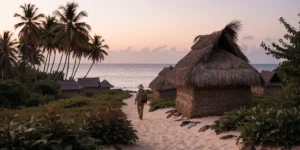 Responsible Travel in Small Island Communities: A Guide to Manus Island When our team first stepped off the plane at Momote Airport… Read more: Responsible Travel in Small Island Communities
- Manus in the Second World War
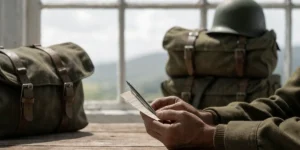 Manus in the Second World War: An Australian Perspective Manus Island is a tiny dot in the Pacific, barely visible on most… Read more: Manus in the Second World War
- Lorengau: A Short Town Guide
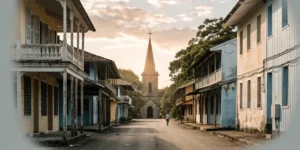 Lorengau: A Short Town Guide for Australian Travellers Lorengau isn’t the kind of tropical town you’ll find on a postcard. It’s gritty,… Read more: Lorengau: A Short Town Guide